Tire Nitrogen Inflator

Products / Nitrogen Generator / Tire Nitrogen Inflator

Tire Nitrogen Inflator
Nitrogen Generator

Tire Nitrogen Inflator

HBFD-T Series

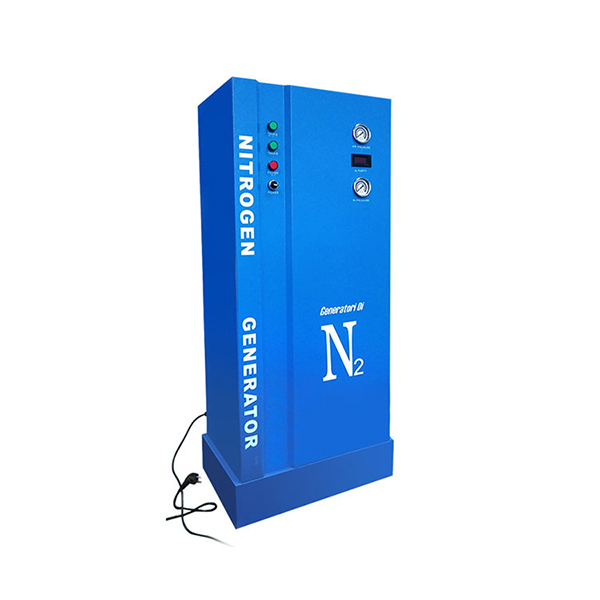
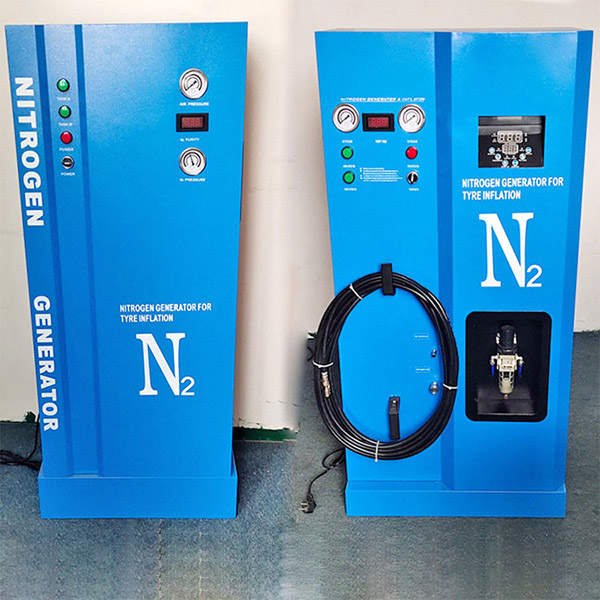
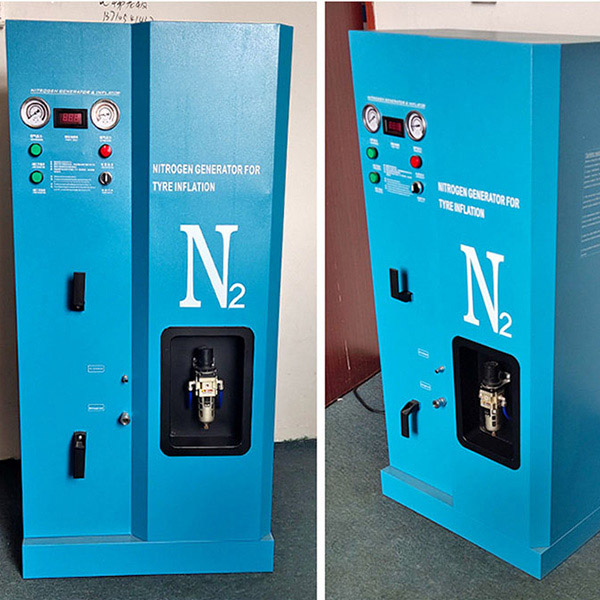
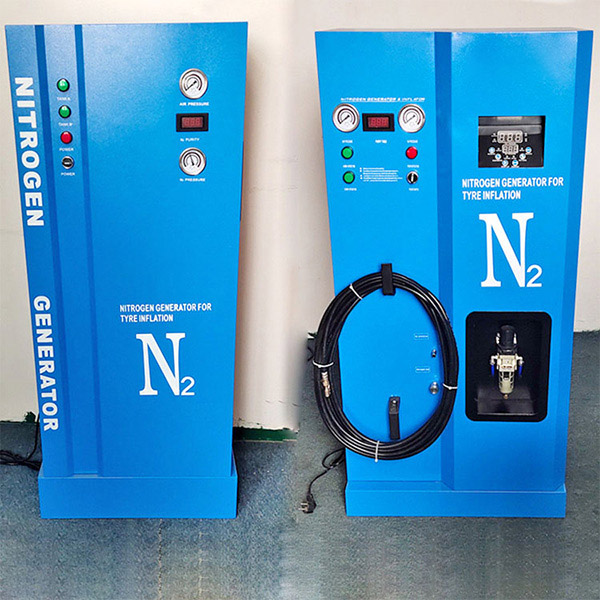
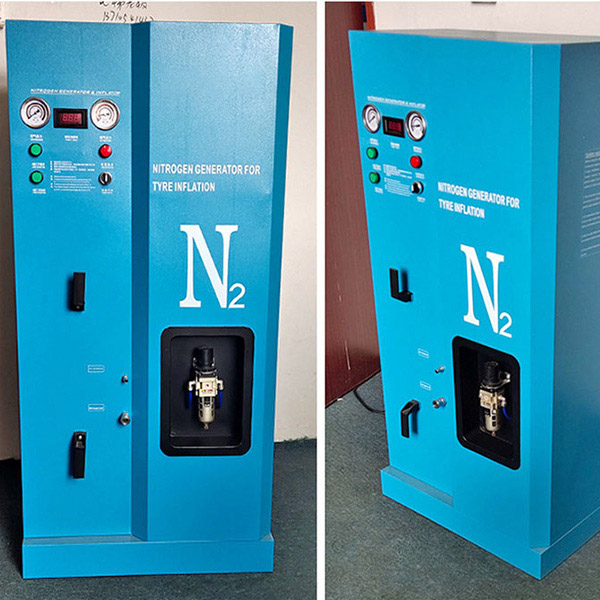
Hongbo HBFD-T Series Tire Nitrogen Inflator is a compact, accurate, and safer tire inflation solution for passenger vehicles, motorcycles, and light commercial vehicles. Featuring built-in PSA nitrogen generation technology, it produces 95-99% high-purity nitrogen on demand without external nitrogen supply. The device stabilizes tire pressure, reduces oxidation, prevents rim corrosion, and prolongs tire lifespan. Ideal for automotive workshops, service stations, and fleet maintenance centers seeking professional nitrogen tire inflation equipment.

Inquiry Now +86-13817675951

Tire Nitrogen Inflator

Compact • Accurate • Safer Tire Inflation

Our Small Nitrogen Tire Inflator carries out the operation of a small and compact device fast, clean, and efficient tire inflation with the use of nitrogen in passenger vehicles, motorcycles and light commercial vehicles. The use of high-purity nitrogen can stabilize the tire pressure, reduce oxidation, and prolong the life of the tire — thus making it a wise upgrade for any automotive workshop or service center.

Tire Nitrogen Inflator

Key Features

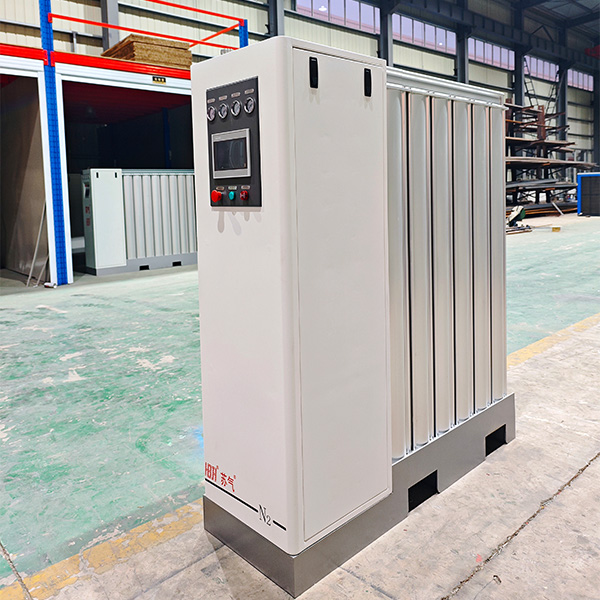
  • Compact Design: A space-saving cabinet that can be easily accommodated in small workshops, mobile service vans, or cramped indoor spaces.
  • Onboard Nitrogen Generator: PSA (Pressure Swing Adsorption) technology enables separation of nitrogen from compressed air, thus no external nitrogen source is necessary.
  • High Nitrogen Purity: The device generates 95-99% nitrogen thus enabling a clean and consistent tire inflation process.
  • Touchscreen or Button Control Panel: Easy operation with automated nitrogen production, inflation, deflation, and pressure equalization.
  • Dual Filling Ports (Optional): Enables the inflating of two tires at the same time, thus allowing more significant time savings in a busy workshop.
  • Built-in Storage Tank (Optional): It not only guarantees a steady flow but also allows quick tire inflations without the need for waiting.
Tire Nitrogen Inflator

Why Nitrogen-Filled Tires Are Better

  • Tire pressure will be very much stable for a long period of time. Oxygen molecules are smaller than nitrogen ones, so they penetrate the rubber tire walls faster. High-purity nitrogen minimizes pressure drop due to gas leakage significantly, so tire pressure remains stable longer without frequent top-ups.
  • Nitrogen provides the rubber inside your tires with no oxygen and thus no corrosion, so the tires will last for a longer time. The rubber, the cord layers, and the rims (especially aluminum alloy ones) are protected from rust and wear caused by oxygen and moisture.
  • Dry, no-water, no-oil nitrogen protects the metal valve stem and the sensitive TPMS sensor (Tire Pressure Monitor System), helping the sensor serve longer without failure.
  • Unlike oxygen, nitrogen does not react to temperature changes as much. Even under high-speed driving, heavy loads or rough driving conditions, nitrogen-filled tires will not get heated as much or as fast, ensuring lower pressure changes, less wear and tear, and safer driving overall.
  • Nitrogen is an inert gas—it doesn't burn and won't help fire ignite. In extreme scenarios like tire overheating or brake fires, nitrogen reduces the chance of tire burning or exploding. This makes nitrogen filling essential for racing, aviation, and mining.
Tire Nitrogen Inflator

Why Nitrogen Tires Are Better (Quick Summary)

Benefit Description
Consistent PressureTire pressure remains more consistent over time.
Reduced Blowout RiskThe chance of a tire blowout is significantly lowered.
Slower Pressure LossThe rate at which pressure is lost is much slower than with air.
Better Fuel EconomyFuel efficiency improves due to stable tire pressure.
Longer Tire LifeThe life of the tires is elongated with reduced oxidation.
Less Rim OxidationRims are less oxidized and corroded over time.

Technical Specifications

Parameter Specification
Power SupplyAC 220V / 50-60Hz (Customized)
Nitrogen Purity95% - 99%
Working Pressure6 - 10 bar
Inflation Speed3 - 5 min per tire (standard sedan)
Nitrogen Flow Rate40 - 60 L/min
Tank Size40L - 100L (optional)
Dimensions500 × 400 × 1100 mm (varies by model)
Weight50 - 90 kg
Compatible VehiclesPassenger cars, SUVs, motorcycles, light commercial vehicles

Working Principle

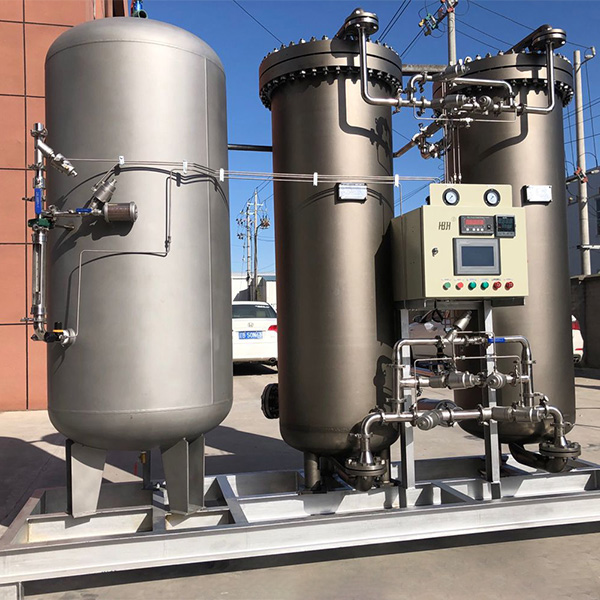
The Tire Nitrogen Inflator utilizes Pressure Swing Adsorption (PSA) technology to generate high-purity nitrogen directly from compressed air on-site.

  1. Air Compression: Compressed air is supplied from an external air compressor or the workshop's central compressed air system.
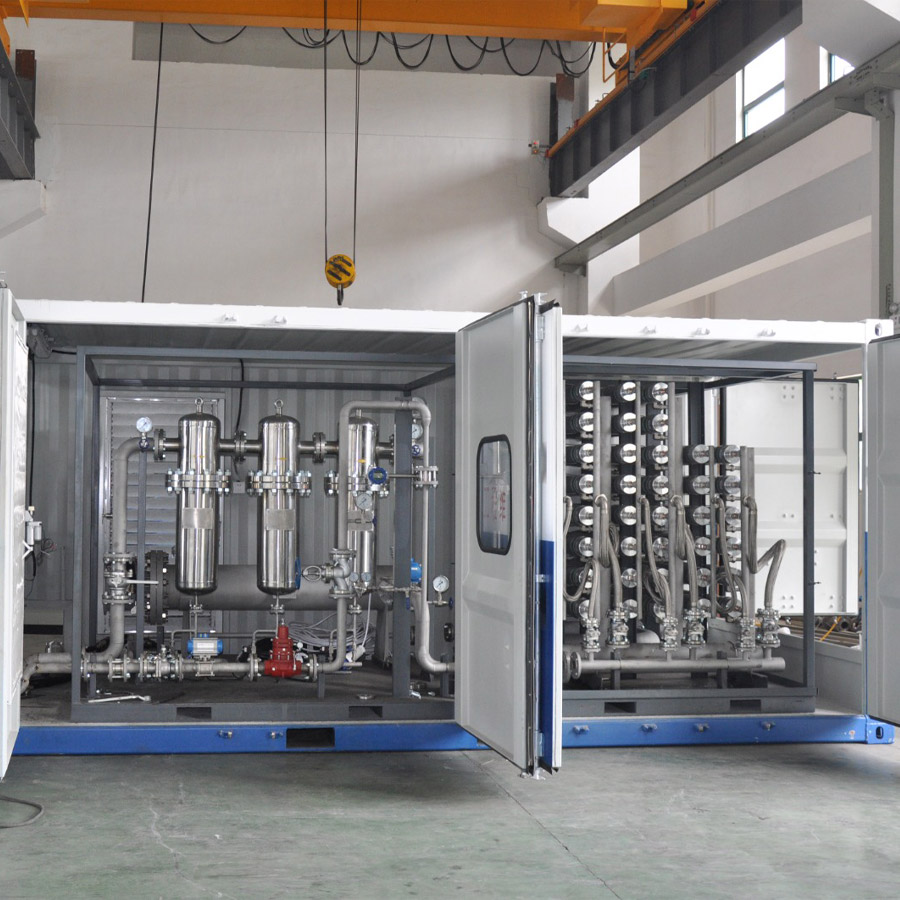
  2. Air Pretreatment: The compressed air passes through multistage filtration and drying to remove oil, water, and particulate matter, ensuring clean air enters the nitrogen separation stage.
  3. PSA Nitrogen Separation: The pretreated compressed air flows into the adsorption tower filled with carbon molecular sieve (CMS). Under pressure, oxygen molecules are preferentially adsorbed by the CMS while nitrogen molecules pass through.
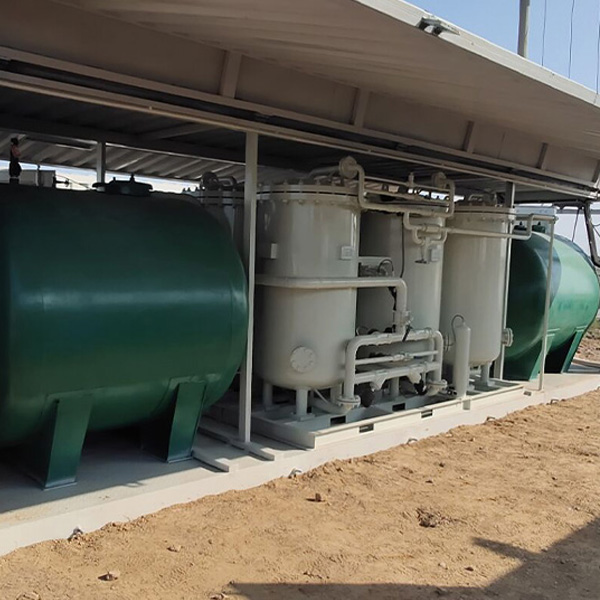
  4. Dual-Tower Cycling: Two adsorption towers work alternately—one tower adsorbs oxygen under pressure to produce nitrogen, while the other tower undergoes depressurization to regenerate the CMS by releasing adsorbed oxygen. This cycling ensures continuous nitrogen production.
  5. Nitrogen Storage & Inflation: The generated nitrogen is stored in the built-in buffer tank. When tire inflation is needed, nitrogen is delivered through the inflation hose with the desired pressure.
  6. Pressure Monitoring: The intelligent control system monitors tire pressure in real time, automatically stopping inflation when the preset pressure is reached.

System Flow Description

Complete Process Flow

  1. Air Compressor (external compressed air supply) →
  2. Air Pretreatment System (multistage filtration & drying to remove oil, water, and particles) →
  3. PSA Nitrogen Generation
    • Tower A: Pressurized adsorption — CMS adsorbs oxygen, nitrogen passes through
    • Tower B: Depressurization regeneration — CMS releases adsorbed oxygen
    • Alternating cycling for continuous nitrogen production
  4. Nitrogen Buffer Storage Tank (built-in, optional 40L-100L) →
  5. Pressure Regulation System (adjusts output pressure for inflation) →
  6. Dual Filling Ports (optional, for simultaneous dual tire inflation) →
  7. Tire Inflation (automatic shut-off at preset pressure)

Key System Components

Component Function
Carbon Molecular Sieve (CMS)Selectively adsorbs oxygen molecules under pressure, allowing nitrogen to pass through
Dual Adsorption TowersAlternate between adsorption and regeneration cycles for continuous nitrogen output
Pneumatic Control ValvesAutomatically switch airflow between towers at programmed intervals
Intelligent Control PanelTouchscreen or button interface for automated operation, pressure setting, and monitoring
Pressure SensorsMonitor tire pressure in real-time and trigger automatic shut-off at preset values
Inflation Hose & ChuckDelivers nitrogen to tire valve with secure connection

Advantages of the Tire Nitrogen Inflator

1. Stable Tire Pressure Over Time

The tire pressure will be very much stable for a long period of time. Oxygen molecules are smaller than nitrogen ones, so they penetrate the rubber tire walls faster. Using high-purity nitrogen in your tires minimizes pressure drop due to gas leakage significantly, so your tire pressure remains very stable without frequent top-ups.

2. Extended Tire & Rim Lifespan

Nitrogen provides the rubber inside your tires with no oxygen and thus no corrosion, so the tires last longer. The rubber, cord layers, and rims (especially aluminum alloy ones) are slowly rusted and worn out over time because of oxygen and moisture in the air. Dry nitrogen is an inert gas that stops this process, extending both tire and rim lifespan.

3. TPMS Sensor Protection

Dry, no-water, no-oil nitrogen protects the metal valve stem and the sensitive TPMS (Tire Pressure Monitoring System) sensor, allowing the sensor to serve longer without failure.

4. Reduced Temperature Sensitivity

Unlike oxygen, nitrogen does not react to temperature changes as much. Even under high-speed driving, heavy loads, or rough driving conditions, nitrogen-filled tires do not get heated as much or as fast, resulting in lower pressure changes, less wear and tear, and safer driving.

5. Enhanced Safety

Nitrogen is an inert gas that does not burn and will not help fire ignite. In extreme scenarios such as tire overheating or brake fires, nitrogen reduces the chance of tire burning or exploding, making it essential for racing, aviation, and mining applications.

6. On-Demand Nitrogen Generation

The built-in PSA nitrogen generator eliminates the need for external nitrogen cylinders or external supply. The machine produces high-purity nitrogen on demand, saving recurring costs for nitrogen gas procurement.

7. Space-Saving & Easy Installation

The compact cabinet design fits easily into small workshops, mobile service vans, or cramped indoor spaces. Simply connect to compressed air and power supply, and the unit is ready for operation.
Applications

The Tire Nitrogen Inflator is designed for a wide range of automotive and industrial applications:

  • Automotive Service Workshops: Professional tire inflation using nitrogen for passenger cars, SUVs, and light trucks.
  • Tire Retail & Repair Shops: Offer nitrogen tire filling as a premium service to customers.
  • Fleet Maintenance Centers: Maintain stable tire pressure across commercial vehicle fleets for improved fuel efficiency and tire longevity.
  • Motorcycle Dealers & Service Centers: Precise inflation for motorcycle tires with the benefits of nitrogen.
  • Racing & Motorsport: Stable and consistent tire pressure under extreme track conditions where temperature variations are high.
  • Mining & Construction: Heavy-duty tire inflation for mining trucks and construction equipment where safety and tire durability are critical.
  • Aviation Ground Support: Nitrogen tire inflation for aircraft ground support equipment and service vehicles.
  • Car Dealerships: Offer nitrogen-filled tires as a value-added service for new and pre-owned vehicles.
  • Mobile Service Vans: Compact size makes it ideal for mobile tire service and roadside assistance vehicles.

Related Products

Need More Information?

Contact us for detailed product specifications and customized solutions.

Contact Us